Run surveys, video interviews and offline fieldwork with people anywhere, in their own language. Reach verified people, with every answer anchored on the blockchain.
Free to start. No card needed.
Used for Market research, Employee feedback, Citizen insight, Public health, Financial inclusion, Academic fieldwork, AI training data, Programme evaluation, Brand tracking, Member elections, Guest feedback, Video interviews, Verified people, Provenance on the blockchain, Offline with ODK.
Ask the people you need, in their language, online or offline. Watch the answers arrive, then get a Surdatics Report.
A minute of feedback from guests, attendees, trainees or staff, by QR card or link. Hear at once when someone is unhappy.
Datasets collected on Surdatics from verified people, each one anchored on the blockchain. Prices on request.
Here to answer studies? Earn a reward for each approved answer, and again when the data is resold. Or answer inside Telegram, where you already are.
A form tool gives you a form. Surdatics also matches you with verified people, checks they are real, rewards them and anchors every answer on the blockchain.
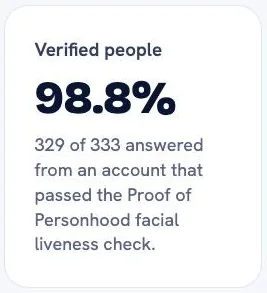
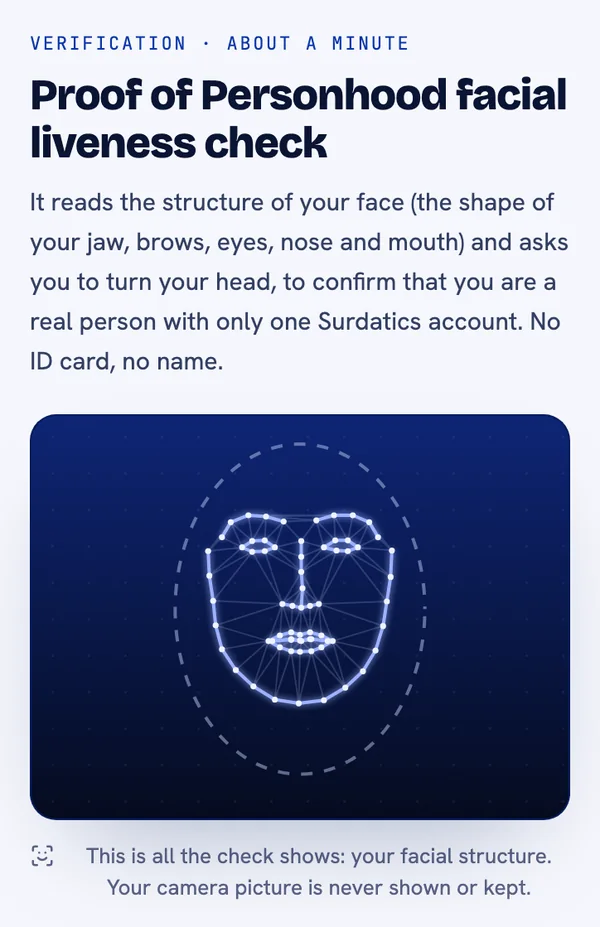
Rewards go only to verified people. New respondents verify once with Surdatics Verify: one real person, one account, no ID card and no photo kept.
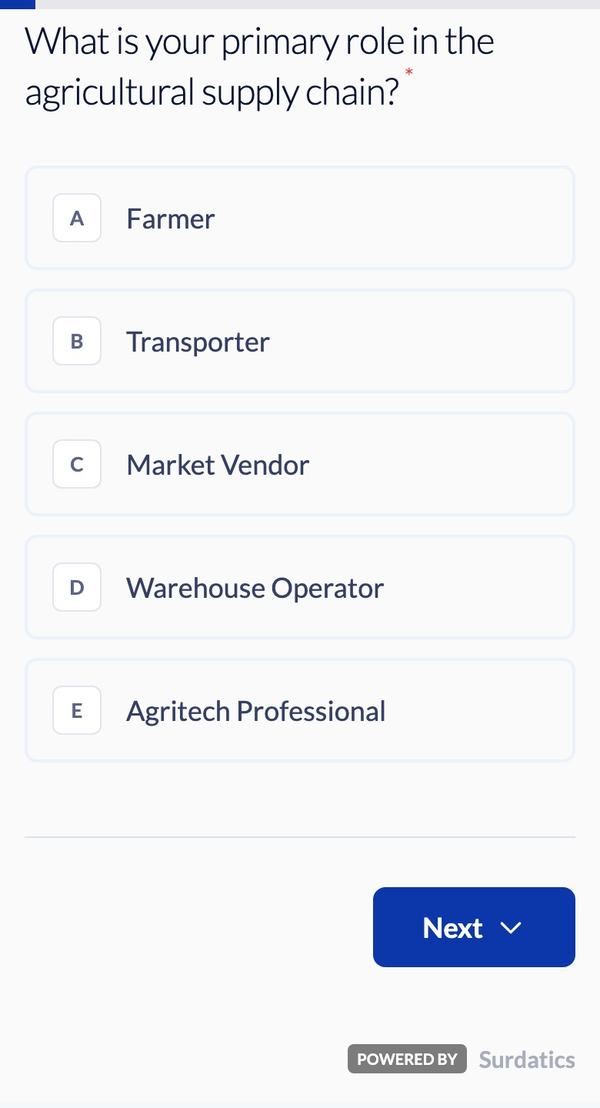
Studies in people's own languages, from Igbo, Hausa and Swahili to Arabic, Hindi and Chinese, answered online or offline, and on Telegram.
Each approved answer earns a reward in the person’s Surdatics wallet, and people earn again when their data is resold.
Every answer is hashed the moment it arrives and anchored on the blockchain, so no one can change it unnoticed, not even us. Every figure in a Surdatics Report opens the table behind it.
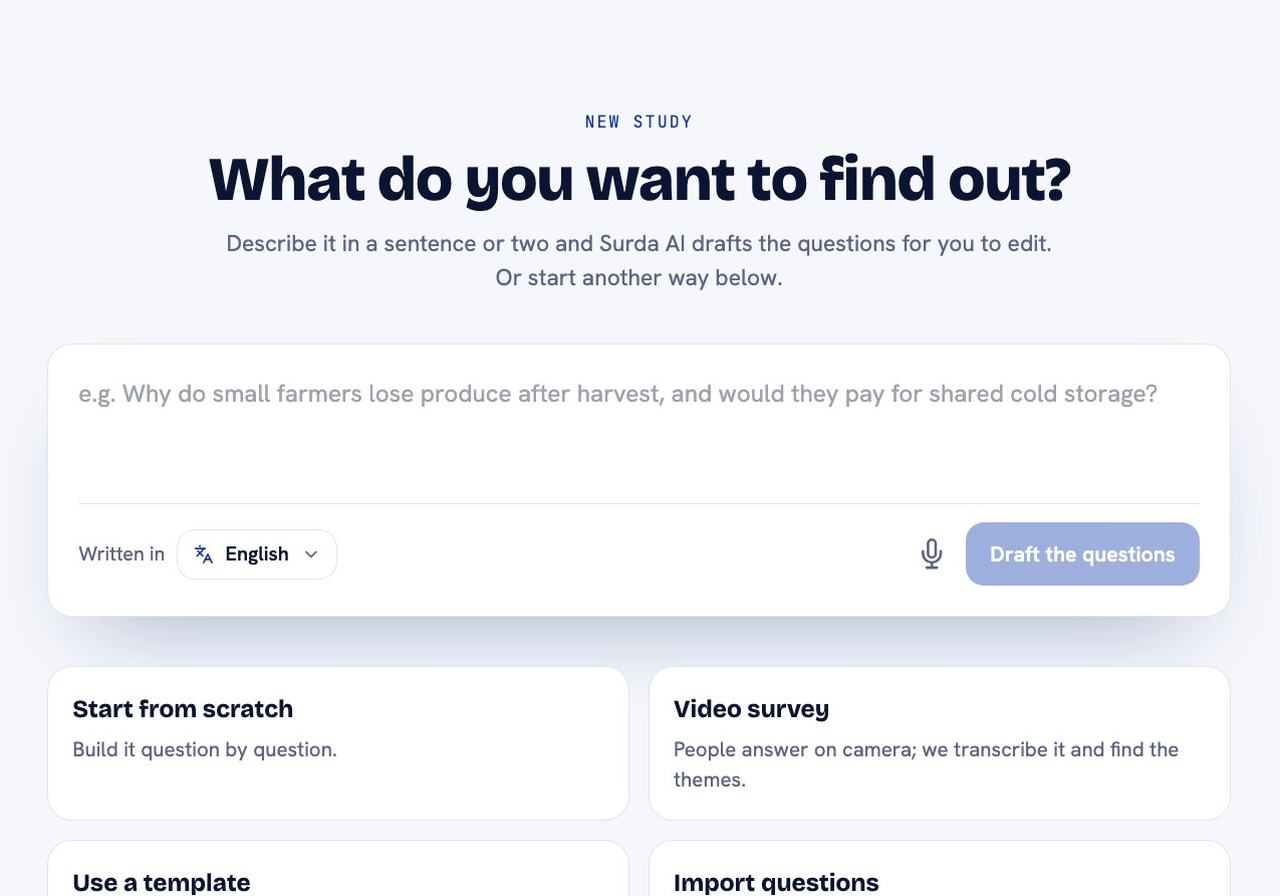
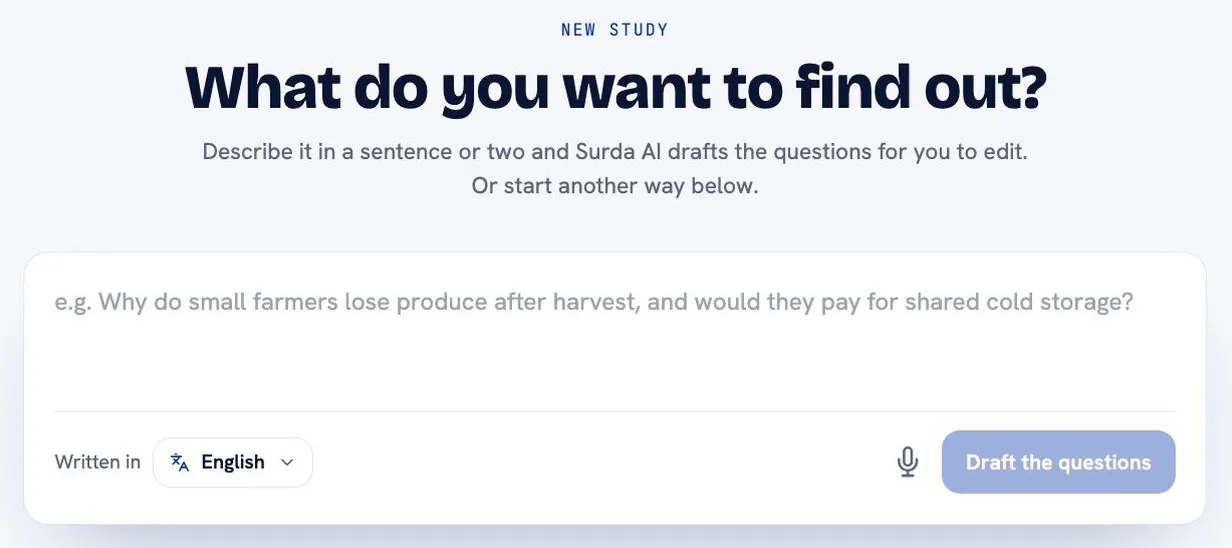
Describe your question in a sentence or two. Surdatics AI drafts the study, and you edit every word.
Choose who you need and see how many verified people match before you pay. Or share the study with your own people.
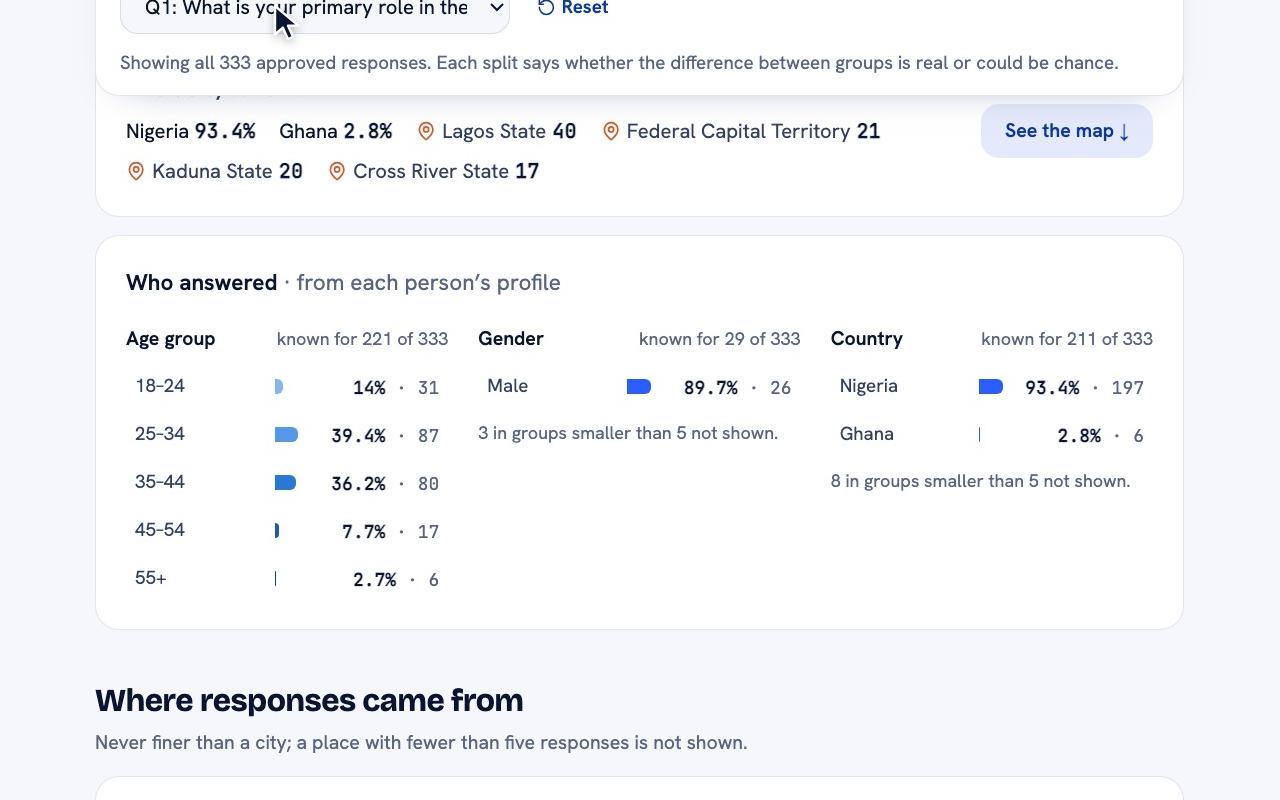
Results update as answers are approved. Your Surdatics Report is written from the data, and every figure in it is computed from the answers.

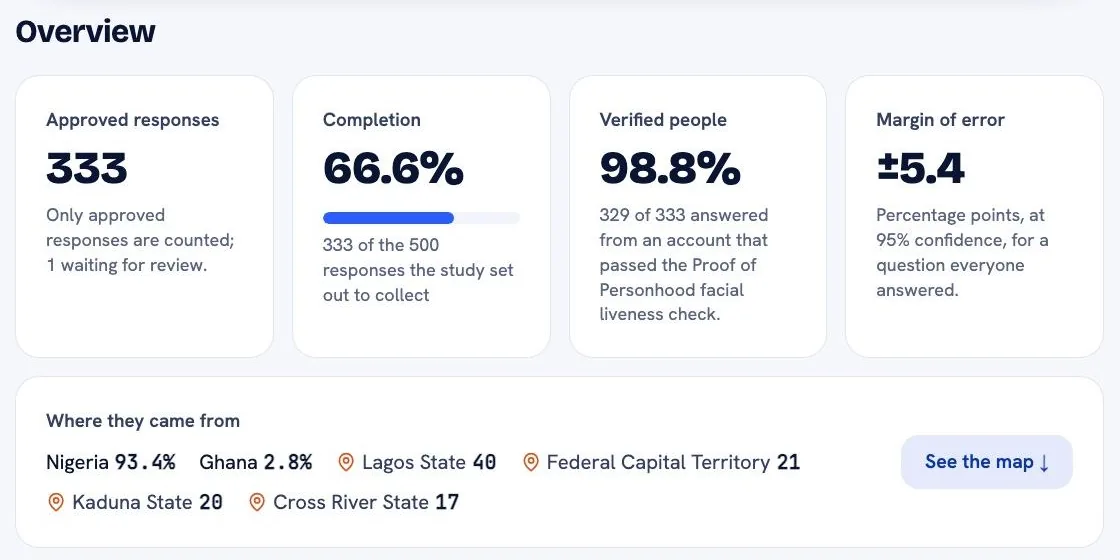
See it for yourself: live figures, a word from someone who used it, and a blockchain record anyone can check.
The platform today, read from its own records.
The new AI feature is very nice — I just gave the description and it generated all the questions, very similar to what I had already created. I commend you and your team for the good work.
Paste the SHA-256 hash of any Surdatics dataset to see that it is unchanged. No account needed.
No hash to hand? (623e8e8529…ca933e)
 Businesses and brandsCustomer, product and market research with verified people.
 NGOs and developmentBaselines, monitoring and evaluation your funder can verify.
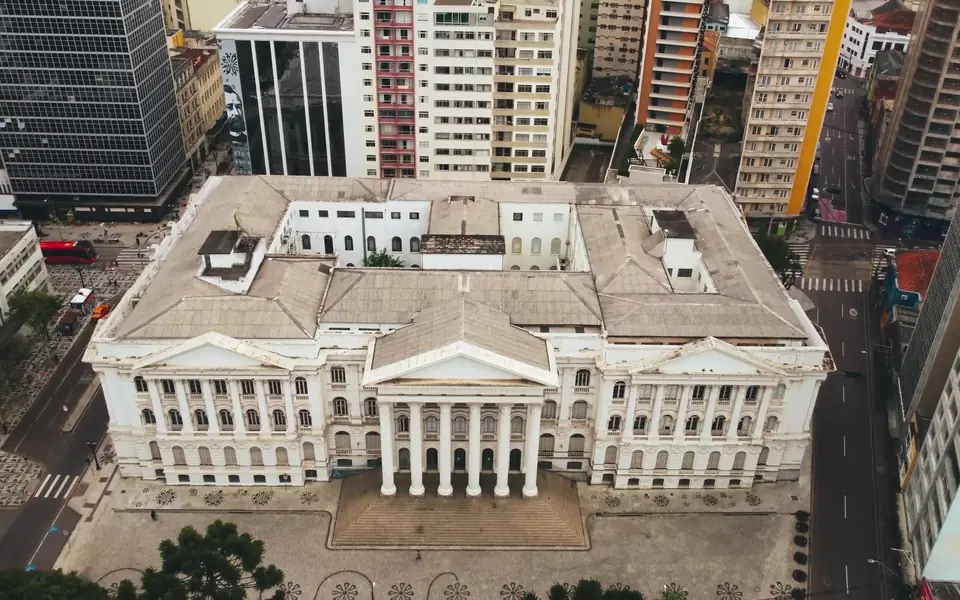 Government and regulatorsCitizen evidence with a tamper-evident record.
 Universities and researchersFieldwork on a research budget.
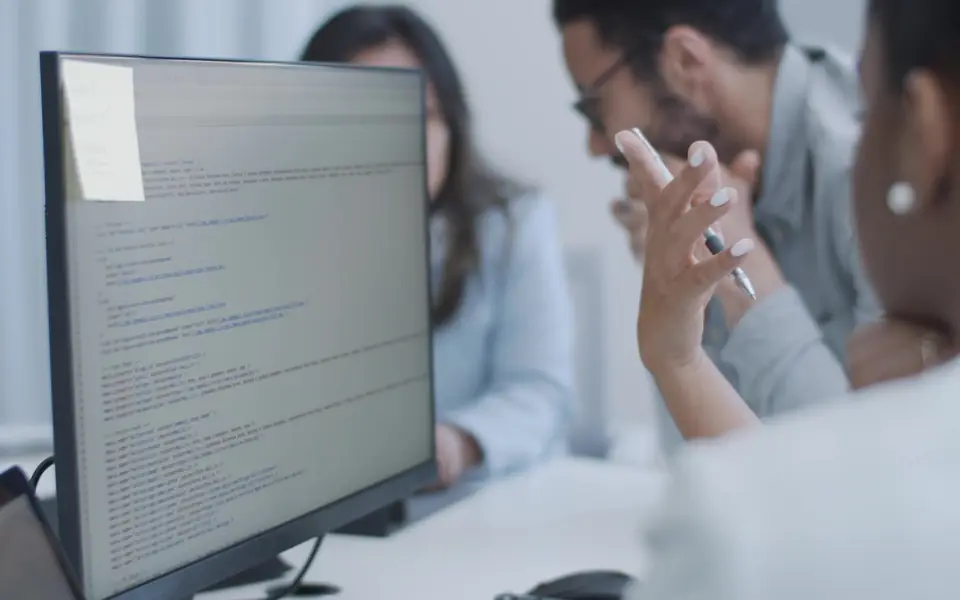 AI and data teamsConsented human data for training and evaluation, with its provenance.
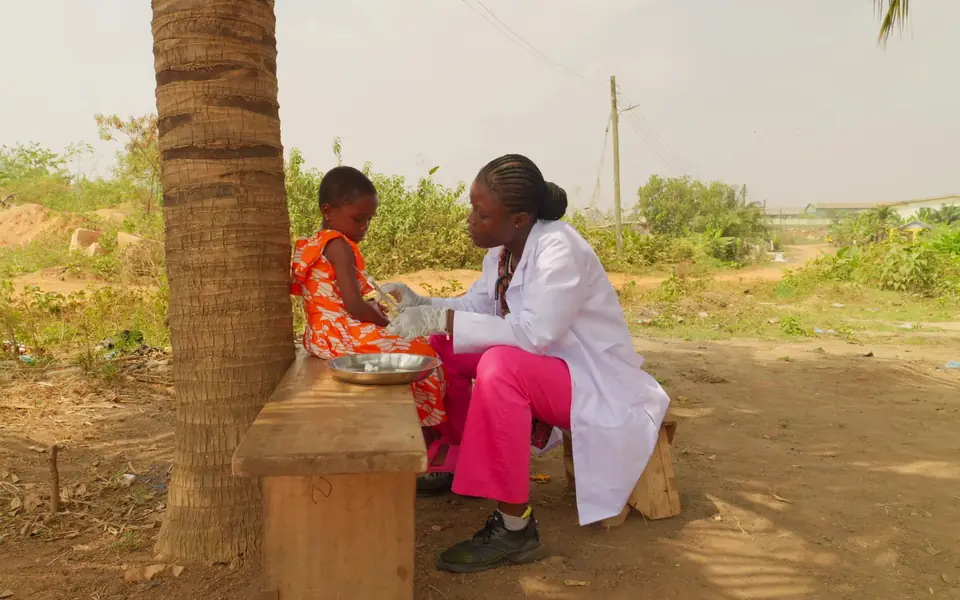 Health studiesHealth studies on the terms patients set.
 Hotels, restaurants and eventsSurdatics Quick Feedback from guests as they leave.
 Professional bodies and associationsMember surveys, secret verified elections and CPD attendance.
A monthly plan pays for the tools. Rewards for the people who answer are a separate budget you set, with nothing added on top.
Commentary on the research industry, and short briefs from studies we ran ourselves.
A new development-effectiveness report points to a persistent gap between commitments to country ownership and the information used to manage aid. Research teams should treat that gap as a question about who can inspect, challenge and use the evidence.
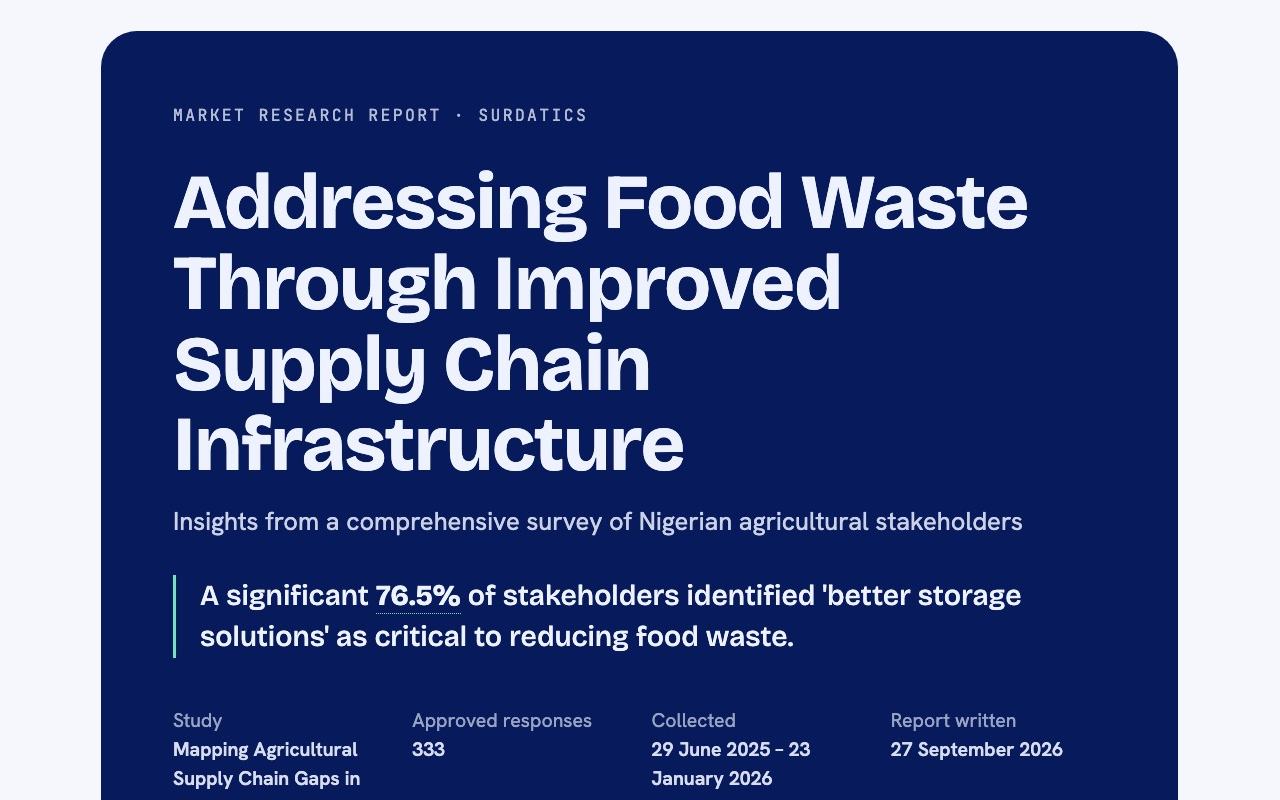
56.8% of respondents who answered the storage-access question said they lacked access to proper storage or cold rooms. Respondents also frequently selected bad roads as a transport challenge and better storage as a way to reduce waste.
Afrobarometer’s survey puts everyday service and livelihood concerns beside the agendas of development-cooperation experts. The useful lesson is not to discard long-term reform, but to test whether it answers the problems citizens actually name.
Something else? Ask us, or ask Surdatics AI from the button in the corner.
Start free today. If you would rather have a study run for you, or need a contract for your organisation, talk to us.
Answering studies instead? Earn by answering